When winter weather rolls in and temperature drops sweep through the region, home heating systems suddenly become the most critical component of household comfort. While many homeowners naturally focus on air conditioning during the warmer months, ensuring that your heating equipment is fully prepared for cooler weather is equally vital. Routine care for your heating unit ensures that your home stays warm, safe, and energy-efficient throughout the cold season. Taking a proactive approach to your home heating system prevents sudden breakdowns, lowers monthly utility bills, and extends the overall lifespan of your equipment.
Understanding how regular upkeep impacts your system's performance allows you to make informed decisions about your property’s heating efficiency and long-term operating costs.
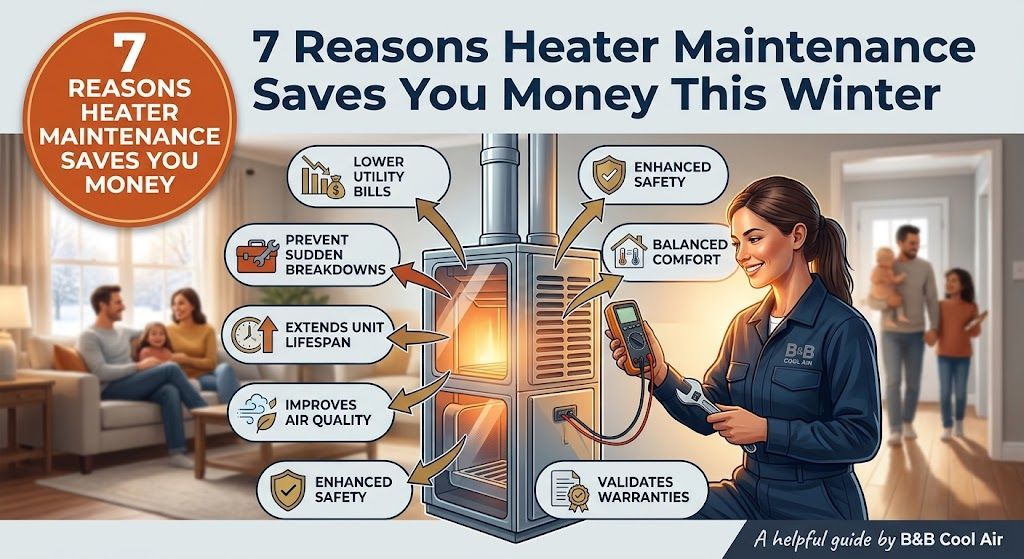
1. Reduces Monthly Energy Consumption and Utility Bills
A heating system that receives regular tune-ups operates at peak mechanical efficiency. Over months of operation, dust, dirt, and microscopic debris accumulate on critical internal components, including heat exchangers, burners, blowers, and air filters. This buildup forces the system to work significantly harder and run longer cycles just to satisfy the temperature set on your thermostat.
When electrical connections are tightened, moving parts are lubricated, and air filters are cleaned or replaced, friction and resistance within the system are minimized. As a result, the unit draws substantially less power or fuel to heat your home. Homeowners who prioritize seasonal checkups often notice an immediate reduction in their winter utility bills compared to previous years when maintenance was deferred.
2. Prevents Sudden and Costly System Breakdowns
There is never a convenient time for a heating system to fail, but breakdowns almost always happen on the coldest days of the year when equipment is under peak stress. Major mechanical failures rarely happen without warning; they are typically the end result of minor wear and tear that went undetected over time.
During a professional tune-up, a qualified technician performs a comprehensive inspection of all critical parts, including:
- Thermostat calibration and signal integrity
- Blower motor amp draw and capacitor performance
- Ignition assembly and pilot burner functionality
- Electrical wiring, contactors, and terminal connections
- Safety control switches and limit sensors
Identifying a worn belt, loose electrical connection, or failing capacitor during a routine inspection allows for quick, low-cost repairs long before these small issues cascade into catastrophic compressor or heat exchanger failures.
3. Extends the Overall Service Lifespan of Your Unit
A home heating system is a major financial investment. Just like a motor vehicle, its operational lifespan directly reflects the quality and frequency of care it receives over time. Heating systems that are neglected typically suffer from severe component wear and heat stress, leading to premature system replacement after only 8 to 10 years.
Conversely, a system that undergoes consistent seasonal tune-ups can operate efficiently for 15 to 20 years or longer. Regular maintenance prevents excessive strain on the motor, preserves the structural integrity of the heat exchanger, and maintains proper airflow throughout the ductwork. By extending the functional life of your heating equipment, you delay the substantial capital expense of a full system replacement.
4. Enhances Indoor Air Quality Throughout the Season
Your heating system does more than just regulate temperature—it continuously circulates air through your living spaces. Over time, furnace cabinets, blower fans, and return air ducts collect dust, pet dander, pollen, mold spores, and other airborne particulates. When the heating unit kicks on, these contaminants are distributed into every room of your home.
During seasonal upkeep, technicians clean internal components, clear out dust deposits, and inspect filtration systems. Upgrading to high-efficiency filters or pairing your system with advanced indoor air quality solutions helps remove micro-particles from circulation. This cleaner airflow drastically reduces respiratory irritants, alleviates seasonal allergy symptoms, and creates a healthier indoor environment for your family.
5. Ensures Maximum Home Safety and Prevents Hazards
Safety is the single most critical reason to schedule professional care for combustion-based heating systems, such as gas furnaces. Heating units that burn fuel to produce heat generate byproducts including carbon monoxide (CO), a colorless, odorless, and potentially lethal gas.
A damaged or cracked heat exchanger can allow carbon monoxide to leak directly into your home's living areas. During a comprehensive inspection, technicians test safety switches, verify proper flue venting, inspect gas pressure, and visually examine the heat exchanger for stress cracks or corrosion. Ensuring that your safety limit controls function correctly provides complete peace of mind that your heating equipment operates safely all winter long.
6. Maintains Valid Manufacturer Warranty Coverage
Most modern heating equipment manufacturers include generous warranties covering key components like compressors, burner assemblies, and heat exchangers for anywhere from 5 to 10 years. However, fine print in these manufacturer warranty contracts almost universally requires proof of regular professional upkeep.
If a major component fails and you file a warranty claim, the manufacturer may request maintenance records proving the unit was properly cared for by a licensed professional. Lacking documented maintenance histories can lead to denied warranty claims, leaving you responsible for paying full out-of-pocket costs for replacement parts and labor.
7. Delivers Consistent, Even Comfort in Every Room
Have you ever noticed cold spots in certain rooms while other areas of your home feel overly warm? Inconsistent heating is a classic sign of reduced airflow, improper thermostat calibration, or unbalanced duct pressure within your system.
Comprehensive maintenance resolves heating inconsistencies by optimizing airflow through the entire home. Technicians balance supply dampers, verify static duct pressure, clean fan blades, and fine-tune thermostat settings. This calibration guarantees balanced heat distribution, ensuring that every room in your home reaches and holds your desired temperature comfortably.
Essential Checklist for Seasonal Heating Care
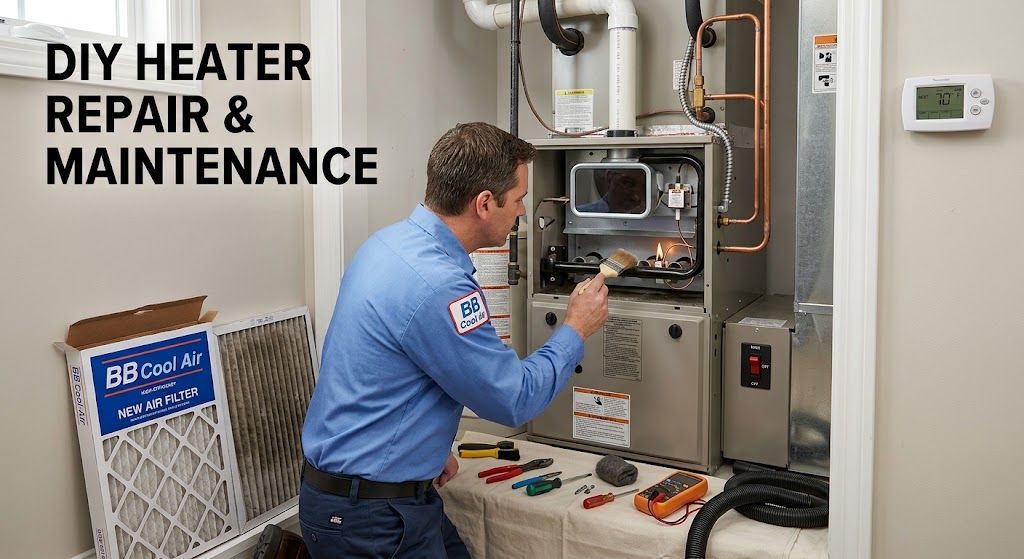
While major mechanical inspections must be performed by certified HVAC professionals, homeowners can take several proactive steps to support their system's performance throughout the season:
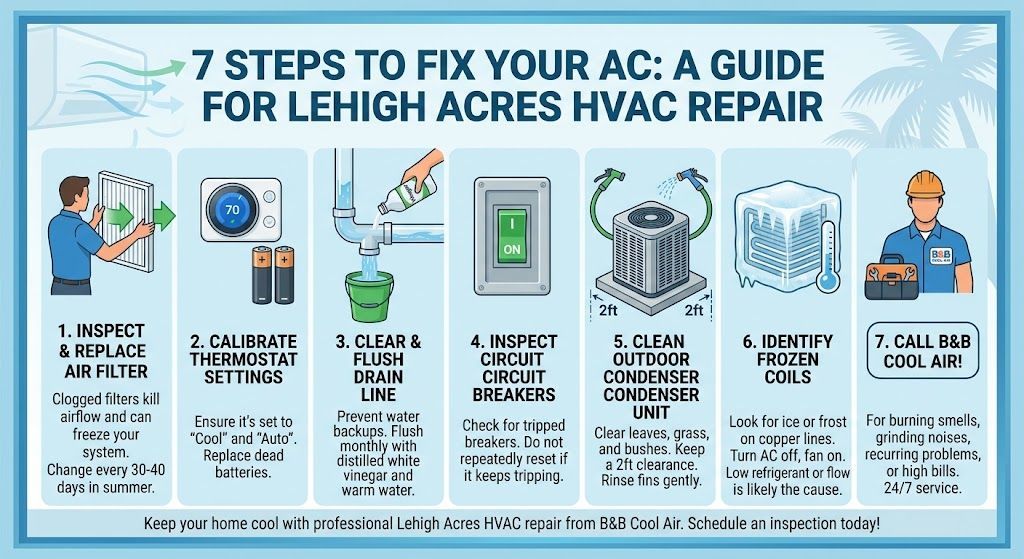
- Inspect and Replace Air Filters Monthly: Clogged air filters block airflow, causing overheating and system shutdowns. Check filters monthly during peak winter months and replace them when dirty.
- Clear Vents and Registers: Ensure that furniture, drapes, and rugs are not blocking supply or return air registers to maintain unhindered air circulation.
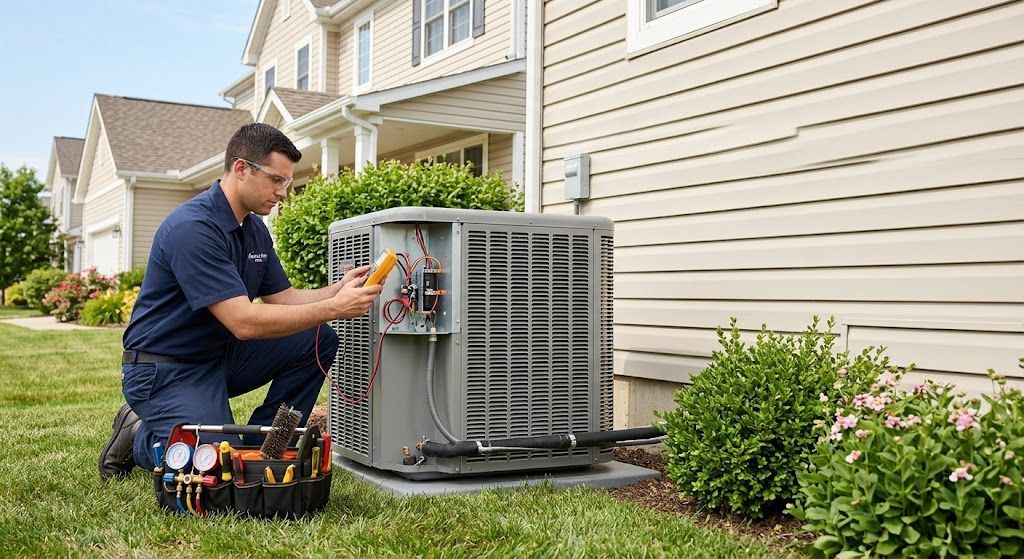
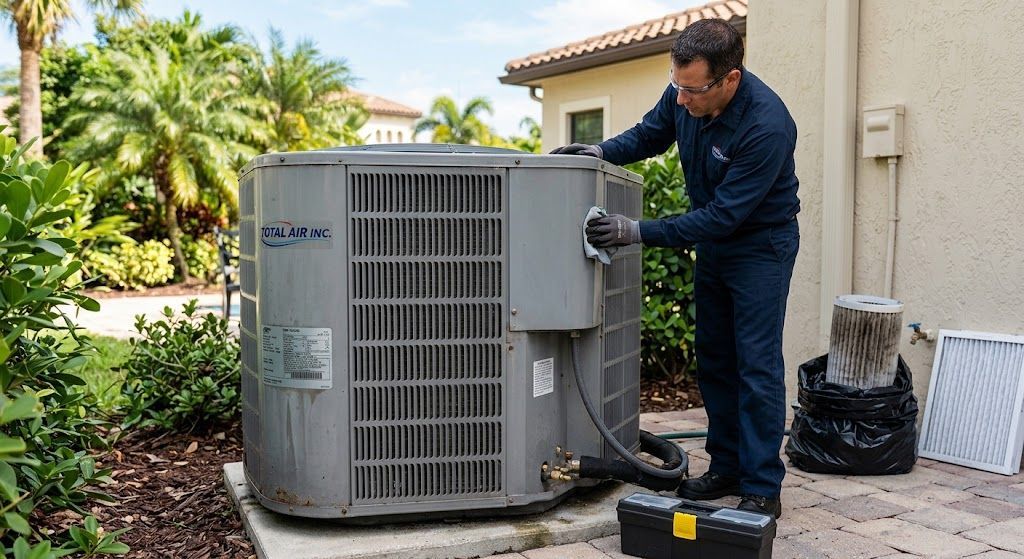
- Inspect the Outdoor Unit: For heat pumps, clear away fallen leaves, branches, weeds, and ice buildup around the outdoor cabinet to maintain minimum airflow clearance.
- Test Thermostat Batteries and Settings: Switch your thermostat to heat mode early in the season to verify system response, and replace batteries annually.
- Listen for Unusual Noises: Rattling, squealing, banging, or grinding sounds indicate mechanical friction or loose components that require immediate attention.
What Happens During Professional System Inspections
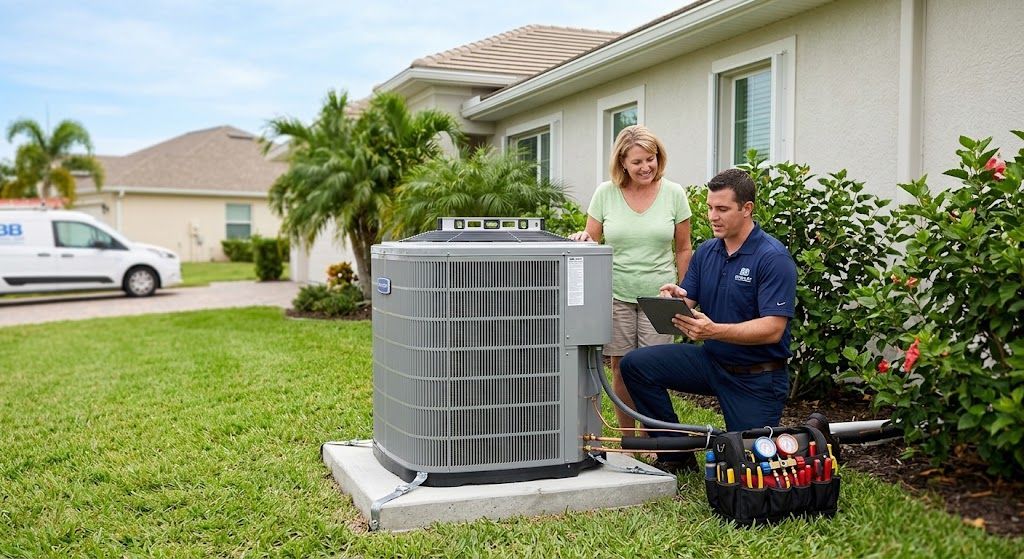
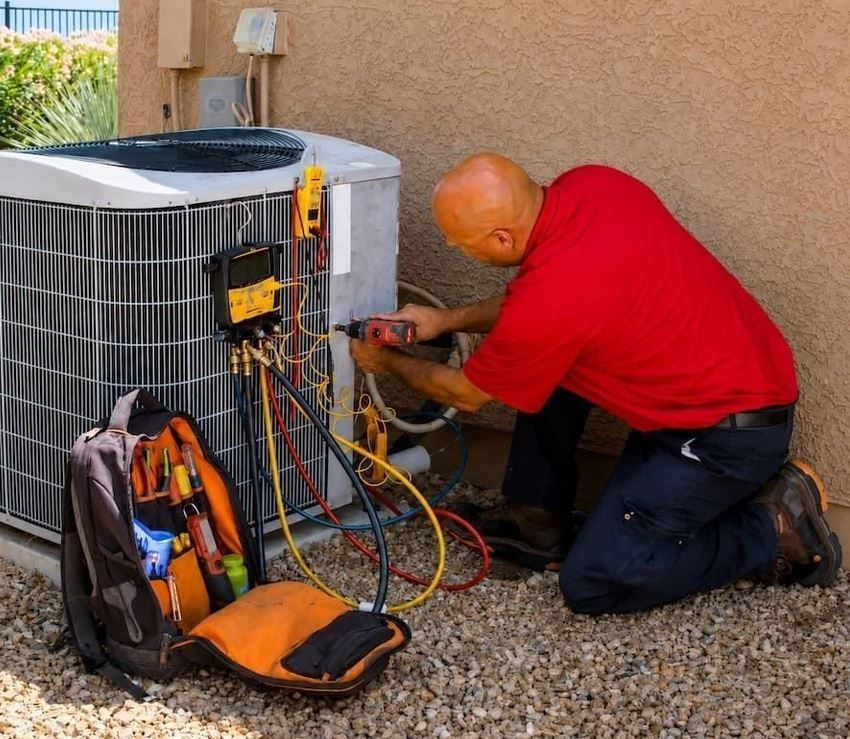
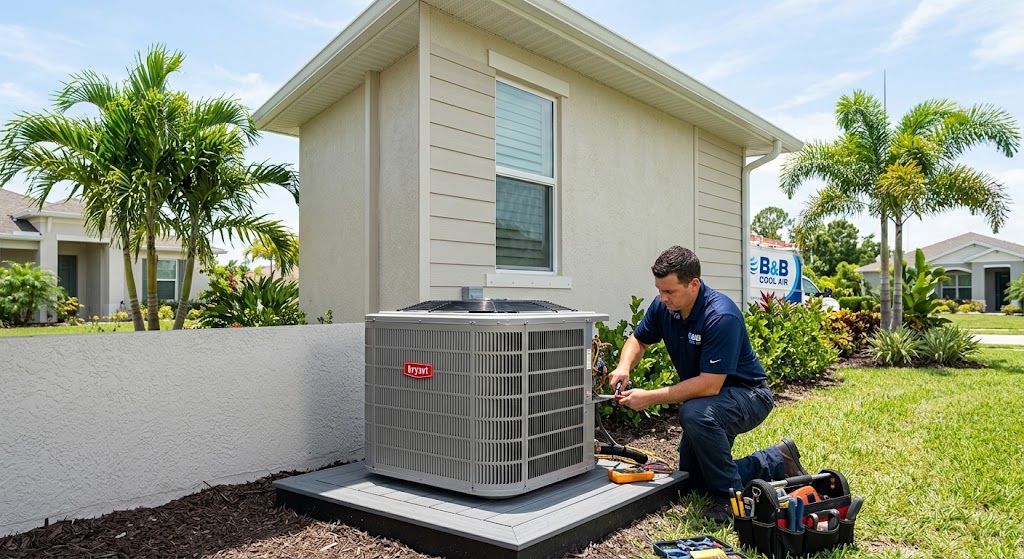
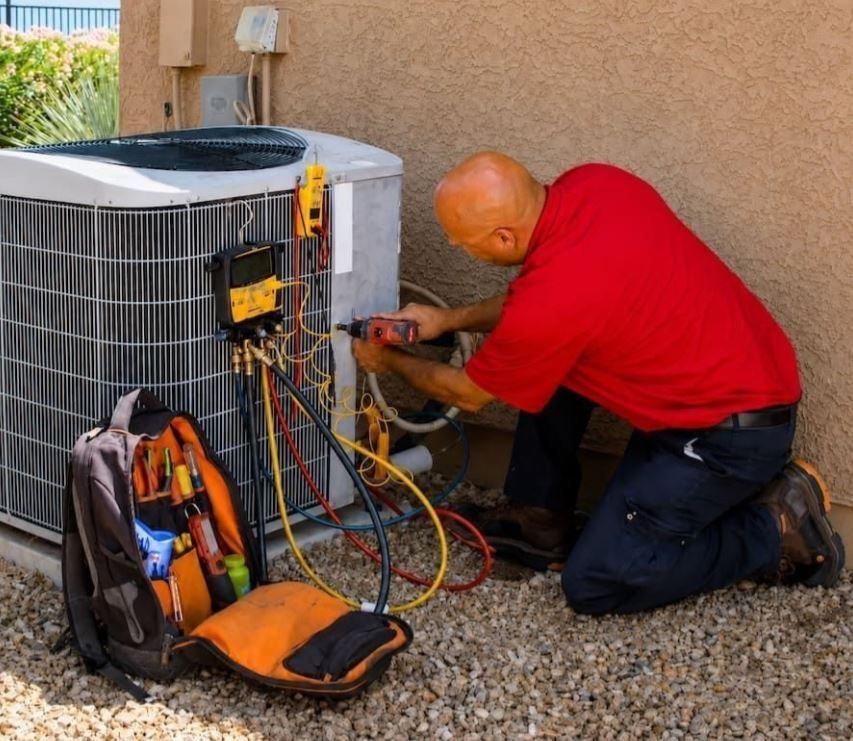
A professional service visit involves far more than a simple visual inspection. Certified technicians use specialized diagnostic tools to measure electrical currents, gas pressures, airflow velocity, and thermal output.
Key diagnostic procedures include:
- Electrical Component Testing: Checking voltage levels and electrical connections prevents short circuits and component burnouts.
- Burner and Pilot Assembly Cleaning: Ensuring complete fuel combustion optimizes energy usage and reduces soot buildup.
- Heat Exchanger Inspection: Inspecting metal walls for microscopic cracks prevents toxic gas leaks.
- Blower Assembly Lubrication: Oiling bearings and motor shafts reduces friction and prevents motor overheating.
- Airflow Optimization: Measuring static pressure across the air handler ensures air moves efficiently across heating elements.
Prioritizing professional
heater maintenance ensures that your home remains warm, safe, and cost-effective throughout the coldest months of the year, protecting both your comfort and your financial investment.