Expert HVAC Services in Fort Myers, Florida: Your Guide to Year-Round Comfort

Corey Creekmore • April 1, 2026

Man playing guitar-shaped thermometer, sweating, with musical notes.

Share this article

Expert AC Repair & HVAC Services in Fort Myers, Florida | B&B Cool Air

Living in Southwest Florida offers a beautiful tropical lifestyle, but it also comes with a significant challenge: the heat. In a place like Fort Myers, Florida, a functioning air conditioning system isn't just a luxury; it’s a necessity for health, safety, and quality of life. Whether you are dealing with the peak humidity of August or a rare winter chill, having a reliable HVAC partner is essential.


At B&B Cool Air, we specialize in providing top-tier heating, ventilation, and air conditioning services specifically tailored to the unique climate of Fort Myers. In this comprehensive guide, we’ll explore everything you need to know about maintaining your home comfort system in the City of Palms.


The Unique Climate Challenges of Fort Myers, Florida

Fort Myers is known for its stunning beaches and vibrant downtown, but its "Subtropical" classification means HVAC systems here work harder than almost anywhere else in the country.


1. High Humidity Levels

Humidity is the silent enemy of home comfort. When the moisture levels in your home rise, your AC unit has to work double-time—not just to cool the air, but to dehumidify it. Excessive moisture can lead to mold growth and "sticky" indoor air.


2. Salt Air Corrosion

For those living near the Caloosahatchee River or closer to the coast, salt air is a major factor. Salt spray can accelerate the corrosion of outdoor condenser coils, leading to refrigerant leaks and premature system failure.


3. Intense UV Exposure

The Florida sun beats down on outdoor units and rooftops, causing components to wear out faster. Without proper maintenance, the lifespan of an AC unit in Fort Myers, Florida, is often significantly shorter than the national average.


Comprehensive AC Repair Services in Fort Myers

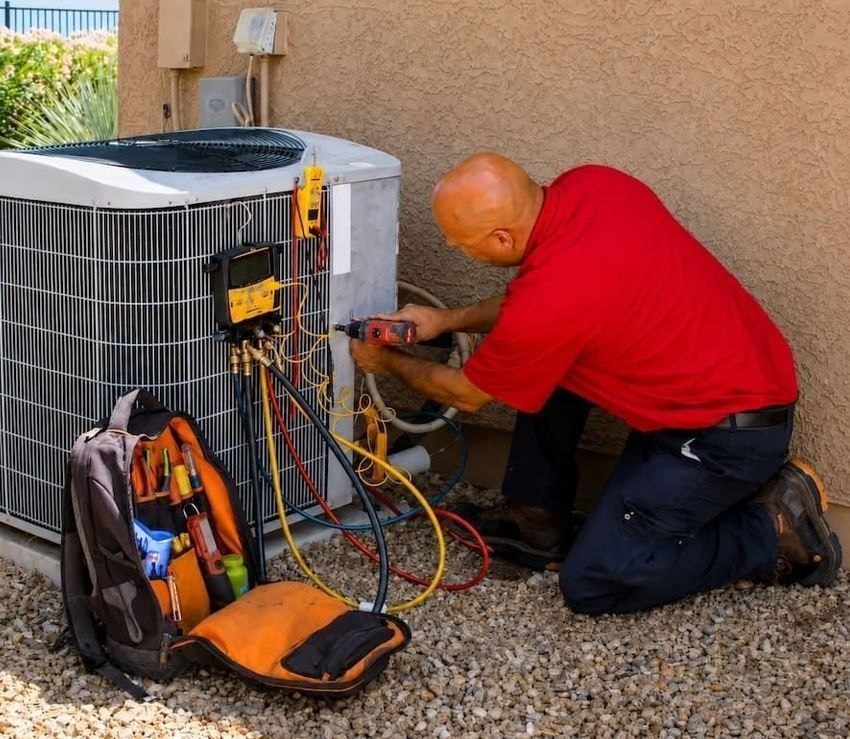
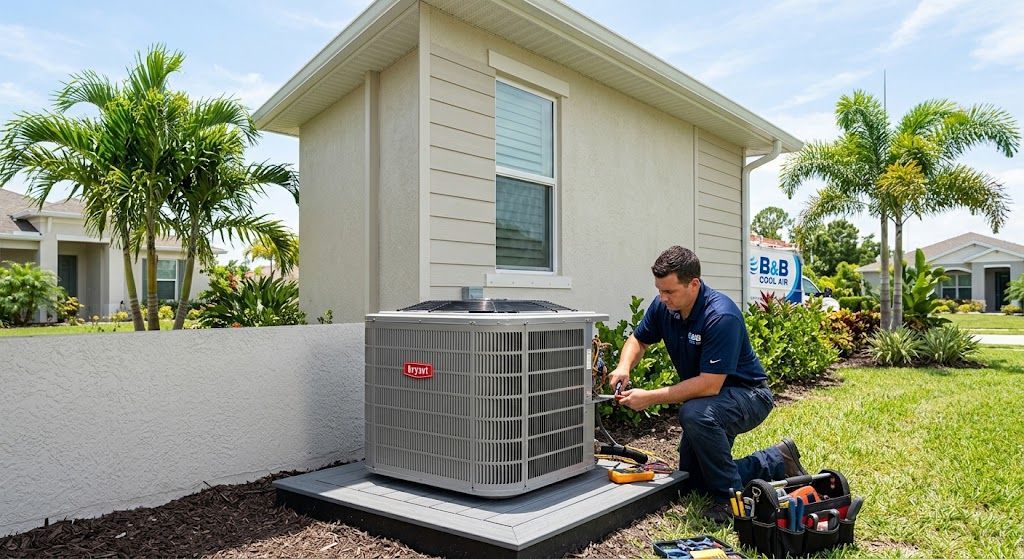
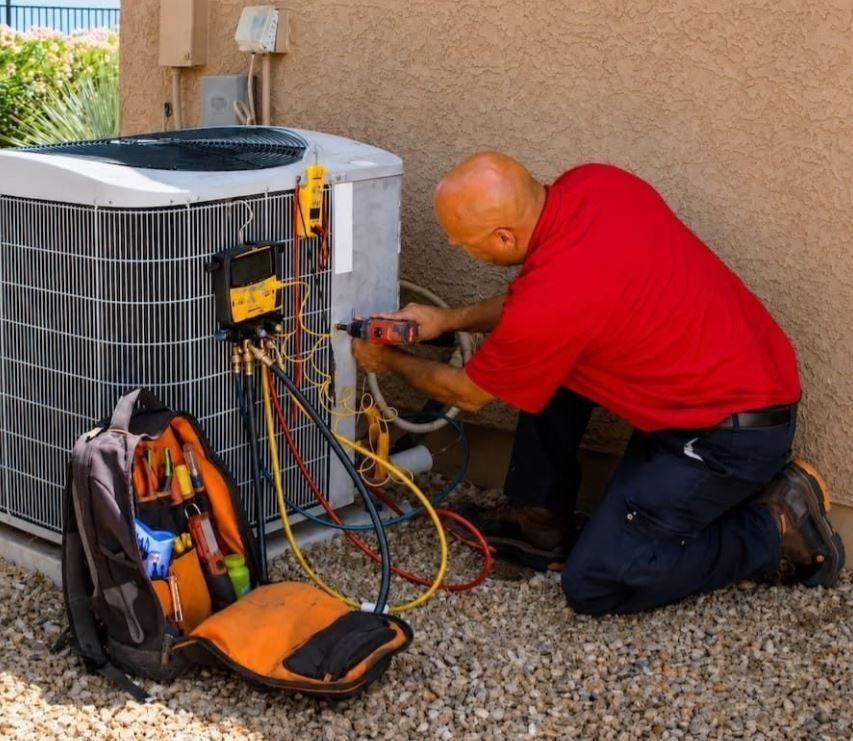
When your air conditioner breaks down in the middle of a Florida summer, you need fast, reliable service. B&B Cool Air offers expert diagnostics and repairs to get your system back up and running.


Common Signs You Need AC Repair:

  • Warm Air Blowing: If your vents are pushing out lukewarm air, you may have a refrigerant leak or a compressor issue.
  • Frequent Cycling: If your unit turns on and off every few minutes, it’s likely short-cycling, which puts immense strain on the motor.
  • Strange Noises: Squealing, grinding, or banging sounds are immediate red flags that internal components are failing.
  • High Utility Bills: A sudden spike in your electric bill usually indicates that your system is no longer operating efficiently.

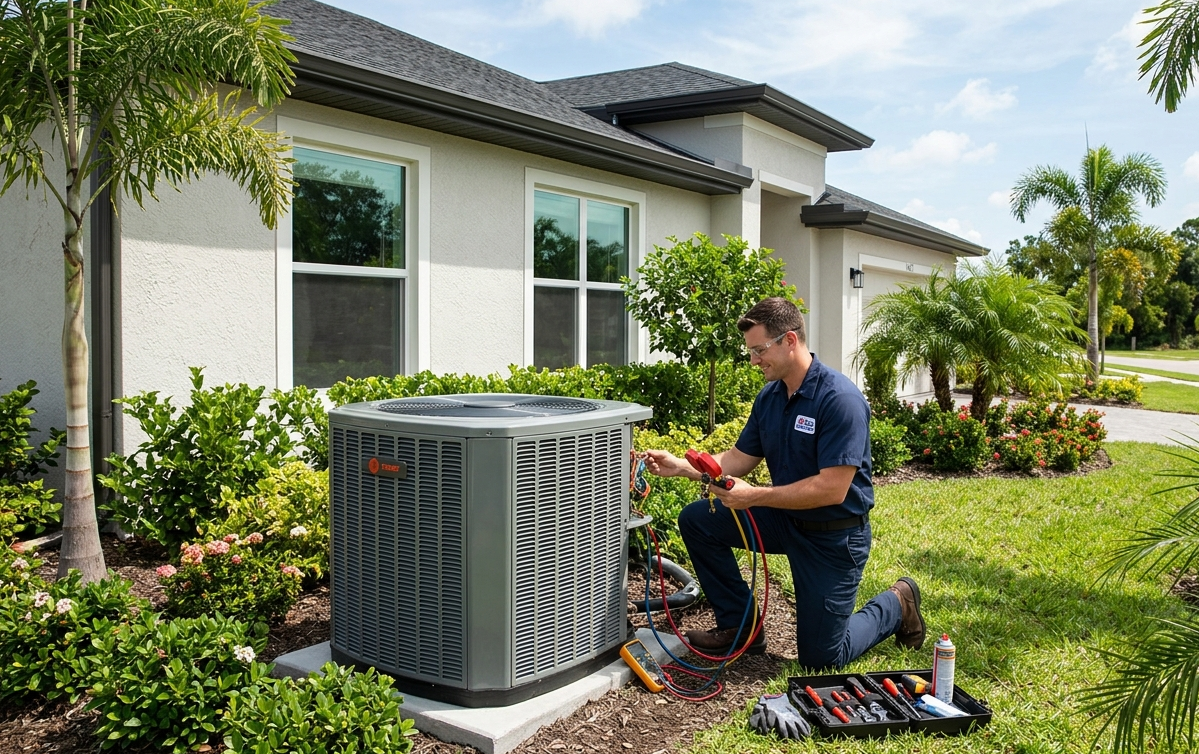
Our technicians are trained to handle all major brands and models, ensuring that your Fort Myers home stays cool regardless of the temperature outside.


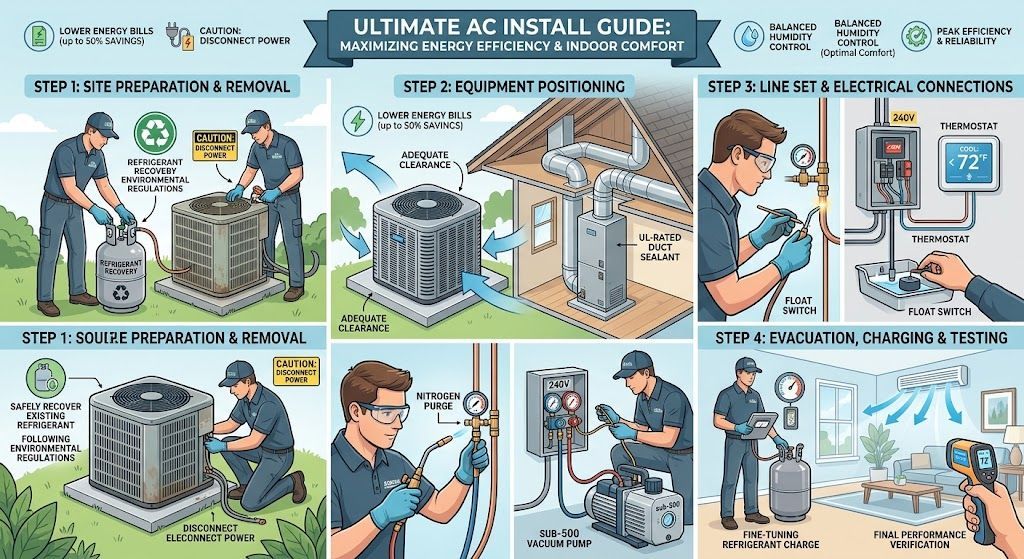
AC Installation and Replacement: Investing in Efficiency

Eventually, every AC unit reaches the end of its life. If your system is more than 10–12 years old and requires frequent repairs, it may be time for a high-efficiency replacement.


Why Upgrade Your HVAC System?

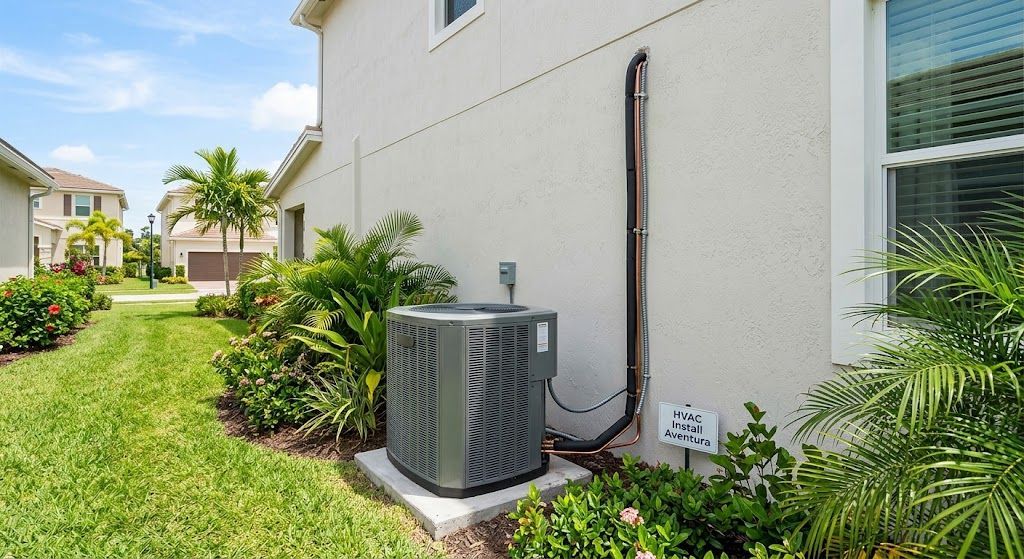
Installing a new, energy-efficient system in your Fort Myers, Florida, home offers several benefits:

  • Lower Monthly Costs: Modern SEER2-rated systems use significantly less electricity.
  • Improved Air Quality: New units feature better filtration systems to remove allergens and dust.
  • Peace of Mind: With a manufacturer’s warranty and reliable performance, you won’t have to worry about emergency breakdowns.
  • Smart Technology Integration: Most new systems are compatible with smart thermostats, allowing you to control your home’s climate from your smartphone.


The Importance of Preventative Maintenance

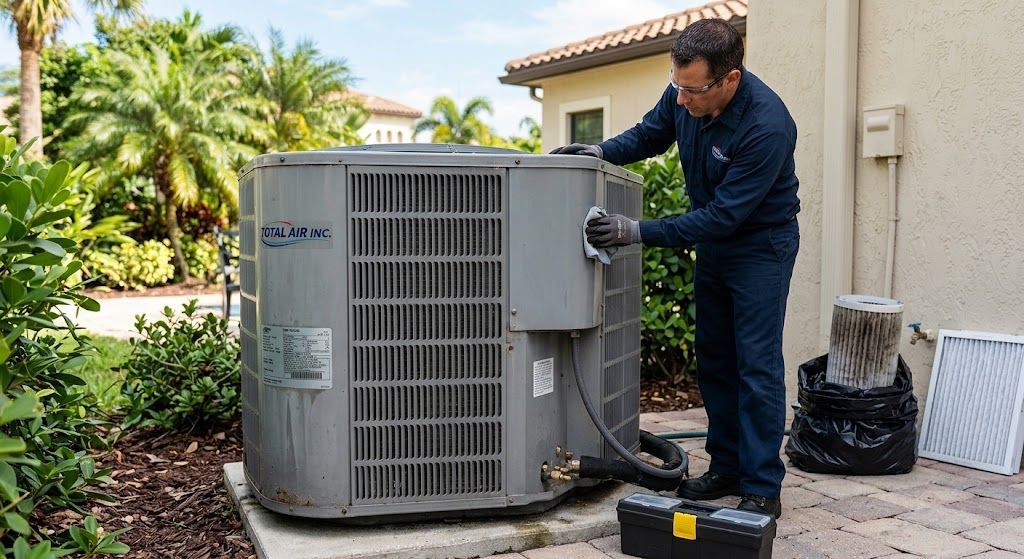
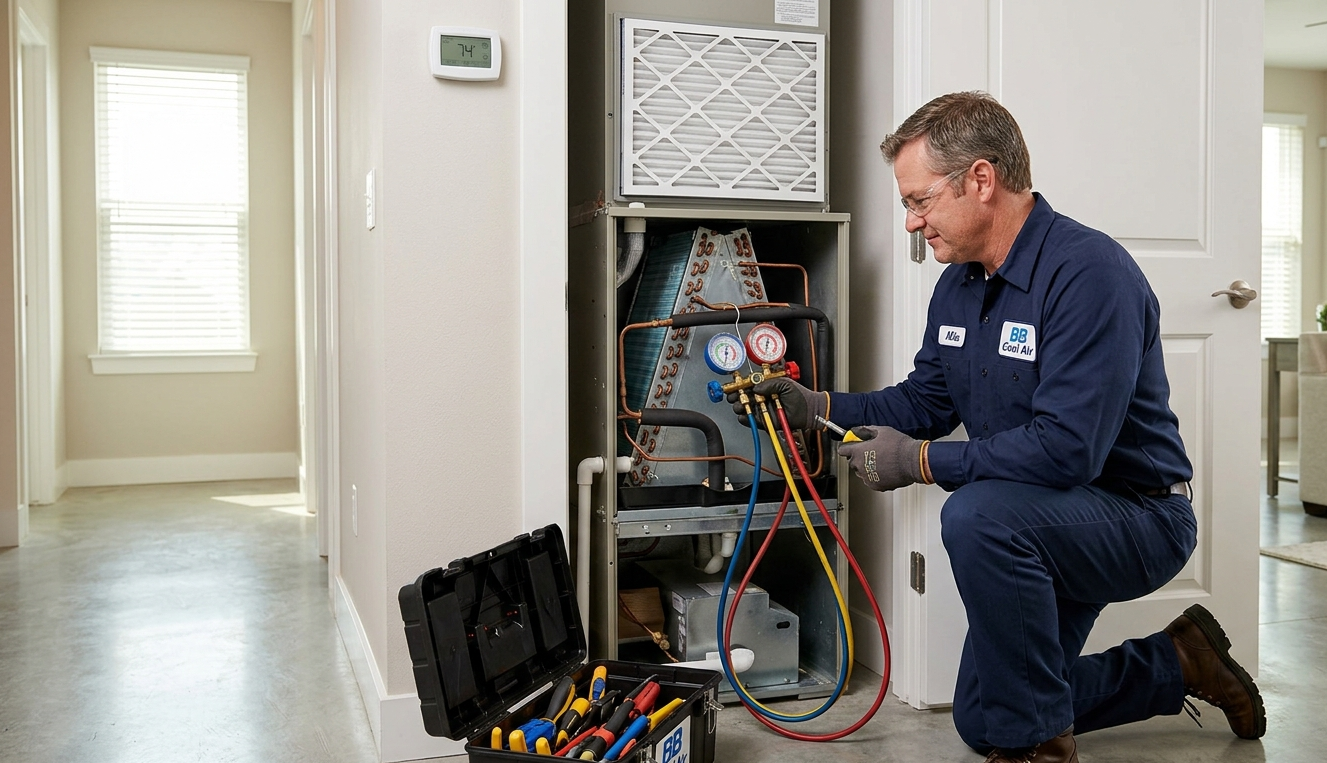
In Fort Myers, Florida, maintenance is the difference between a system that lasts 15 years and one that fails at 7. Our preventative maintenance plans are designed to catch small issues before they become expensive disasters.


Our Maintenance Checklist Includes:

  1. Cleaning the Condenser Coils: Removing dirt and debris to improve heat transfer.
  2. Checking Refrigerant Levels: Ensuring your system has the exact amount of "freon" needed for optimal cooling.
  3. Inspecting Electrical Connections: Tightening terminals to prevent fire hazards and shorts.
  4. Flushing the Condensate Drain: In Florida, algae and slime can clog your drain line, leading to water damage in your home. We clear these lines to prevent backups.
  5. Lubricating Moving Parts: Reducing friction to extend the life of your fans and motors.


Indoor Air Quality (IAQ) Solutions

Because we spend so much time indoors to escape the Fort Myers heat, the quality of the air we breathe is paramount. Pollen, pet dander, and mold spores can circulate through your ductwork if not properly managed.

We offer various IAQ solutions, including:

  • UV Germicidal Lights: Installed inside your air handler to kill mold and bacteria on the coils.
  • HEPA Filtration: High-efficiency filters that capture even the smallest particles.
  • Dehumidifiers: Whole-home systems that keep your indoor humidity at a crisp, comfortable 45-50%.


Why Choose B&B Cool Air for Your Fort Myers Home?

There are many HVAC companies in Southwest Florida, but B&B Cool Air stands out through our commitment to integrity and local expertise.

  • Local Knowledge: We understand the specific codes and climate demands of Fort Myers, Florida.
  • Certified Technicians: Our team stays updated on the latest HVAC technology and repair techniques.
  • Transparent Pricing: No hidden fees or "surprise" charges. We provide clear estimates before the work begins.
  • Customer-First Philosophy: We treat your home with respect, ensuring a clean workspace and professional conduct at all times.


Emergency HVAC Services: We’re Here When You Need Us

AC emergencies don’t always happen during 9-to-5 business hours. We know that a broken AC at 8 PM on a Friday can make for a miserable weekend. That’s why we offer responsive services to the Fort Myers community, ensuring you never have to suffer through the heat for long.


Maximizing Your Energy Savings in Fort Myers

Beyond maintaining your HVAC system, there are several steps you can take to keep your Fort Myers, Florida, home cool while saving money:

  • Keep Curtains Closed: Use blackout curtains on west-facing windows to block out the intense afternoon sun.
  • Use Ceiling Fans: Fans create a wind-chill effect, allowing you to set your thermostat a few degrees higher without losing comfort.
  • Seal Leaks: Ensure that windows and doors have proper weatherstripping to keep the cool air in and the humid air out.
  • Check Your Attic Insulation: Proper insulation acts as a barrier against the heat radiating from your roof.


Conclusion: Stay Cool with B&B Cool Air

Your comfort is our top priority. From routine tune-ups to full system installations, B&B Cool Air is proud to serve the residents of Fort Myers, Florida. Don’t wait for your AC to fail—take proactive steps today to ensure your home remains an oasis of cool air.


Whether you are a long-time resident or a new homeowner in our beautiful city, we are ready to help you optimize your HVAC performance and improve your indoor quality of life.


Contact Us Today

Ready to experience the best HVAC service in Southwest Florida? If you're looking for professional care and reliable cooling, you can schedule your appointment and explore our full range of services in Fort Myers to ensure your home stays comfortable year-round.

Recent Posts

By Corey Creekmore March 27, 2026
Stay cool in Cape Coral! Learn how to maintain your AC, combat salt air corrosion, and save on energy bills with our expert guide for Southwest Florida homes.
By B & B Cool Air March 20, 2026
Heat pump services in Marco Island, FL from B & B Cool Air deliver year-round comfort for coastal homes. Learn what makes these systems ideal for your property.
By Corey Creekmore March 19, 2026
How does Florida’s humidity impact your home? Learn why humidity, not just heat, creates discomfort, strains AC systems, and how to stay cool and dry.
By Corey Creekmore March 14, 2026
1. Strategic Placement: The First Line of Defense If you are installing a new unit or moving an existing one in North Fort Myers or Saint James City , placement is your first tactical decision. Windward vs. Leeward: Whenever possible, place the unit on the side of the home that faces away from the prevailing winds. In Southwest Florida, the strongest salt-spray usually comes from the West and South. By placing the unit on the East or North side of a structure in Naples or Cape Coral , the house itself acts as a giant windbreak, filtering out the heaviest salt particles before they reach the delicate coils. Physical Barriers: Utilizing solid fencing (not lattice) or dense, salt-tolerant landscaping can create a "buffer zone." Hedges around units in Iona or Cypress Lake can catch a significant portion of airborne salt, provided the plants are kept at least three feet away to allow for proper airflow. 2. The "Freshwater Rinse" Ritual The most effective DIY maintenance for a coastal HVAC system is also the simplest: the garden hose. Salt only causes corrosion when it remains on the metal surface. Homeowners living within five miles of the coast—especially in Sanibel , Captiva , and Pine Island —should rinse their outdoor condenser units once every two weeks. If you live further inland, such as Gateway or Alva , once a month is usually sufficient. The Right Technique: Turn the thermostat to "Off" to ensure the fan isn't spinning. Use a gentle stream from a garden hose (never a pressure washer, which will flatten the fins). Spray the coils from the top down, allowing the water to carry the salt out through the bottom of the unit. Focus specifically on the corners where salt and sand tend to accumulate. 3. Specialized Coastal Coatings In the HVAC industry, we often talk about "Coastal Units" or "Seacoast Packages." These are systems where the coils have been dipped in a specialized epoxy or polyurethane coating (often referred to as Phenolic coating) during the manufacturing process. If you already have a standard unit in Port Charlotte or Labelle , you can have aftermarket coatings applied. These thin, clear films provide a barrier that prevents the salt-laden moisture from ever making physical contact with the aluminum and copper. While this adds a slight cost upfront, the ROI is massive when you consider it can prevent a $6,000 replacement just a few years down the line. 4. Addressing the "Sacrificial Anode" Much like the tech used on boat motors in the Matlacha pass, some high-end HVAC systems can be fitted with sacrificial anodes. These are pieces of zinc or magnesium that are bolted to the unit's frame. Because these metals are "more active" than copper or aluminum, the salt air will attack the anode first, leaving your expensive coils untouched. Once the anode has dissolved, you simply replace it with a new one. 5. The Role of Enclosures and Shields In high-intensity spray areas like Vanderbilt Beach or Boca Grande , some residents use "hail shields" or specialized louvers. While these are designed to protect against debris, they also serve to break the velocity of the wind. By slowing down the air before it hits the coils, the heavier salt crystals drop out of the air stream. However, a word of caution for residents in Fort Myers and Lehigh Acres : never "wrap" your unit in plastic or tight covers during the summer. This traps moisture and heat, creating a "sauna effect" that will accelerate corrosion and fry the electrical components faster than the salt ever could. 6. Electrical Protection: Don't Forget the Brains While the coils get all the attention, salt air is also a conductor of electricity. In the humid environments of Babcock Ranch or Punta Gorda , salt can build up on the contactors and circuit boards inside the outdoor unit. This leads to "tracking" or short-circuiting. During your regular seasonal checks, ensure that the electrical cabinet is tightly sealed. Using a dielectric grease on terminal connections can help repel moisture and salt, ensuring that a $200 circuit board doesn't fail because of a microscopic layer of Gulf salt. 7. Professional Chemical Cleaning While the freshwater rinse is great for homeowners in Estero and Bonita Springs , it doesn't remove the salt that has already begun to bond with the metal. Once a year, a professional deep-clean using "alkaline" or "acid-free" coil cleaners is necessary. These chemicals are specifically designed to neutralize the acidity of salt and lift out the deep-seated "white rust" that a garden hose cannot reach. For those in the high-corrosion zones of Cape Coral and Naples , this isn't just a "cleaning"—it's a chemical restoration of the system's integrity. Conclusion: Living in Harmony with the Gulf Living in Southwest Florida means accepting that the environment is "hard" on man-made objects. From the sun beating down on homes in Labelle to the salt mist rolling over Sanibel , our climate demands a higher level of vigilance. By implementing a regular rinsing schedule, choosing coated coils for your next replacement, and being mindful of placement, you can effectively "neutralize" the salt air. You don't have to choose between living near the water and having a reliable AC system. With the right preventative measures, your HVAC system can survive the Florida elements and keep you cool for a decade or more, regardless of how close you are to the beautiful, salty Gulf.
By Corey Creekmore March 6, 2026
Struggling with your AC every afternoon in Lehigh Acres? You're not alone. Discover why our local architecture and unique humidity are sabotaging your comfort.
By Corey Creekmore February 25, 2026
Florida, known for its sunshine and beautiful beaches, isn't always immune to air quality challenges. While generally good, certain factors can contribute to poor air days, impacting residents' health and well-being. But fear not! There are proactive steps you can take to combat air quality issues and breathe easier in the Sunshine State. Understanding Florida's Air Quality Landscape Florida's air quality can be influenced by several factors: Pollen: With abundant flora, pollen counts can soar, especially during spring and fall, triggering allergies and respiratory issues. Ozone: Ground-level ozone, a harmful air pollutant, can form on hot, sunny days when pollutants from vehicles and industrial sources react. Wildfires: While less frequent than in other states, wildfires can occur, releasing smoke and particulate matter that significantly degrade air quality. Saharan Dust: Occasionally, plumes of Saharan dust can travel across the Atlantic, reaching Florida and contributing to hazy skies and increased particulate matter. Practical Steps to Protect Yourself Here are some actionable tips to mitigate the effects of poor air quality: Stay Informed with Air Quality Alerts: Keep an eye on local air quality forecasts and alerts from organizations like the EPA (Environmental Protection Agency) or your local health department. Websites and apps often provide real-time data on air quality index (AQI) levels. Limit Outdoor Activity on High Pollution Days: When air quality is poor, especially for sensitive groups (children, the elderly, and those with respiratory conditions), it's best to reduce prolonged or strenuous outdoor activities. If you must be outside, consider doing so during off-peak hours when pollution levels might be lower. Improve Indoor Air Quality: Air Purifiers: Invest in a good quality air purifier with a HEPA filter to remove particulate matter, allergens, and other pollutants from your home. Keep Windows Closed: On high pollution days, keep windows and doors shut to prevent outdoor pollutants from entering your home. Regular Cleaning: Dust and vacuum regularly to minimize indoor allergens and dust. Avoid Indoor Pollutants: Limit the use of aerosol sprays, scented candles, and harsh cleaning chemicals, which can contribute to indoor air pollution. Wear a Mask When Necessary: If you're particularly sensitive or need to be outdoors on a day with very poor air quality (e.g., during a wildfire event), consider wearing an N95 mask. These masks are designed to filter out fine particulate matter. Maintain Your Vehicle: Regularly maintaining your car helps ensure it runs efficiently and produces fewer emissions, contributing to cleaner air overall. Support Clean Air Initiatives: Advocate for policies that promote clean energy, reduce industrial emissions, and encourage public transportation. Supporting local environmental groups can also make a difference. Florida's Efforts Towards Cleaner Air Florida actively monitors and manages air quality through various state and local programs. The Department of Environmental Protection (FDEP) continuously tracks air pollutants and implements strategies to reduce emissions, ensuring that the air remains clean for residents and visitors alike. Conclusion While Florida can experience periods of compromised air quality , being informed and taking proactive measures can significantly reduce your exposure and protect your health. By staying vigilant and implementing these tips, you can continue to enjoy the beautiful environment Florida has to offer, breathing easy every step of the way.
By Corey Creekmore February 19, 2026
1. Weak Airflow One of the most immediate signs of a problem is weak or inconsistent airflow coming from your vents. This could be due to a clogged air filter, issues with the blower motor, or even leaky ductwork. Reduced airflow means your heat pump is struggling to distribute conditioned air throughout your home, leading to uneven temperatures and increased energy consumption. 2. Strange Noises Your heat pump should operate relatively quietly. If you start hearing unusual noises like grinding, squealing, rattling, or hissing, it's a clear indicator something is amiss. Grinding noises often point to motor bearing issues, squealing could be a worn belt, and hissing might signify a refrigerant leak. Don't ignore these auditory warnings! 3. Increased Energy Bills Have your energy bills suddenly skyrocketed without a corresponding increase in usage? This is a common sign that your heat pump is working harder than it should to maintain your desired temperature. Inefficiency can stem from various problems, including low refrigerant levels, a dirty coil, or a malfunctioning thermostat. 4. Uneven Heating or Cooling If some rooms in your home are significantly warmer or cooler than others, your heat pump might not be distributing conditioned air effectively. This could be due to issues with zoning, ductwork problems, or even a faulty compressor struggling to produce consistent temperatures. 5. Frequent Cycling Your heat pump should cycle on and off in predictable intervals. If it's turning on and off much more frequently than usual (short-cycling), it could be a sign of an oversized unit, a dirty air filter, or low refrigerant. Short-cycling not only wears down components faster but also reduces efficiency. 6. Icing on the Outdoor Unit While some frost on the outdoor unit during cold weather is normal, a thick layer of ice building up is not. This often indicates a problem with the defrost cycle, low refrigerant, or restricted airflow. Icing can severely hinder your heat pump's ability to extract heat from the outside air, leading to a loss of heating capacity. 7. Puddles or Leaks Around the Indoor Unit Any water pooling around your indoor unit is a cause for concern. This could be due to a clogged condensate drain line, which prevents the water extracted from the air from draining properly. If left unaddressed, this can lead to water damage and mold growth. 8. Blowing Cold Air in Heating Mode (or Warm Air in Cooling Mode) This is perhaps one of the most obvious signs. If you set your heat pump to heat, but it's blowing cold air, or vice versa, something is fundamentally wrong. This could point to a problem with the reversing valve, a refrigerant leak, or a faulty compressor. 9. Foul Odors If you notice strange smells emanating from your vents, such as a burning odor, a musty smell, or even a rotten egg scent, it's important to investigate. A burning smell could indicate an electrical issue, while a musty odor might signal mold growth in your ductwork or evaporator coil. 10. Old Age  While not a direct "sign" of a problem, an aging heat pump (typically over 10-15 years old) is more prone to breakdowns and inefficiencies. Even if it's still running, an older unit might be costing you more in energy bills than a newer, more efficient model. Consider a professional inspection to assess its remaining lifespan and efficiency. Don't Delay, Call a Professional! If you notice any of these 10 signs, it's crucial to contact a qualified HVAC technician promptly. Attempting DIY repairs on a complex heat pump system can be dangerous and often leads to further damage. A professional can accurately diagnose the issue, perform necessary repairs, and help extend the life of your heat pump, ensuring your home remains comfortable and your energy bills stay manageable. Regular maintenance is also key to preventing many of these issues in the first place!
By B & B Cool Air February 18, 2026
Professional ductwork services in Estero, FL improve air quality and system efficiency. Discover expert solutions for cleaner, healthier indoor air.
By B & B Cool Air February 17, 2026
Duct cleaning in Bonita Springs, FL improves indoor air quality and system efficiency by removing dust, debris, and contaminants from your home.
indoor air quality
By Corey Creekmore February 12, 2026
Improve your health and home comfort with our guide on 10 ways to improve indoor air quality. From plants to HVAC tips, breathe easier with these expert steps.
Show More