Complete Checklist for Air Conditioning Maintenance in Bonita Springs, FL

B & B Cool Air • January 19, 2026

Man playing guitar-shaped thermometer, sweating, with musical notes.

Share this article

Complete Checklist for Air Conditioning Maintenance in Bonita Springs, FL

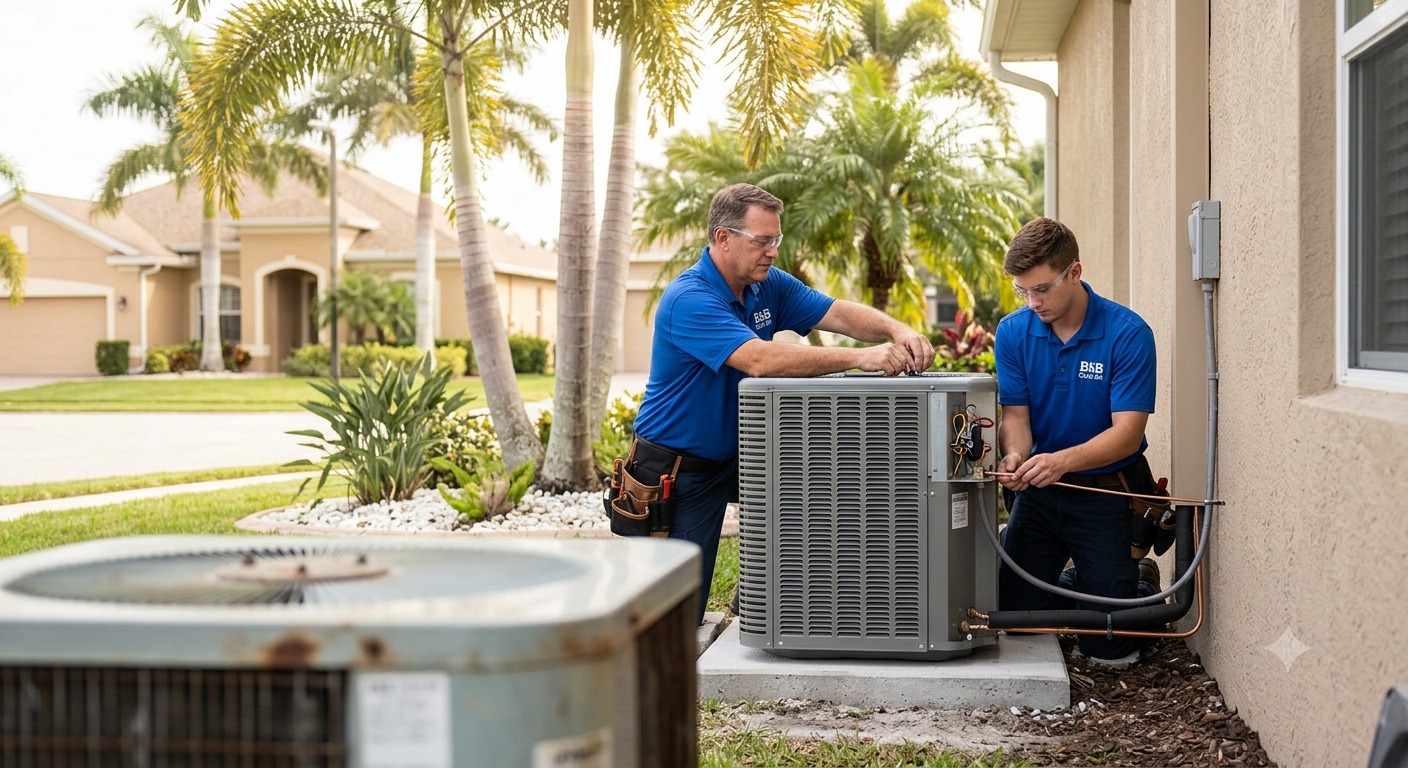
Air conditioning maintenance in Bonita Springs, FL keeps your system running efficiently through hot summers and protects it from the unique challenges posed by coastal air quality concerns near the Gulf.

When Should You Schedule Seasonal Tune-Ups?

You should schedule seasonal tune-ups twice each year, ideally in spring before the cooling season and again in fall to prepare for milder weather.

Spring maintenance ensures your system operates at peak efficiency when temperatures climb and humidity levels rise. Fall service addresses wear accumulated over months of heavy use and prepares your equipment for the lighter demand ahead. Both visits allow technicians to catch small issues before they escalate into expensive repairs or complete system failures.

Regular maintenance extends the lifespan of your air conditioning unit by reducing strain on components. Clean filters, calibrated thermostats, and lubricated motors work together to keep energy bills manageable and indoor comfort consistent throughout the year.

What Does a Comprehensive Maintenance Visit Include?

A comprehensive maintenance visit includes inspection of refrigerant levels, cleaning of coils and drain lines, testing electrical connections, and evaluation of airflow throughout your home.

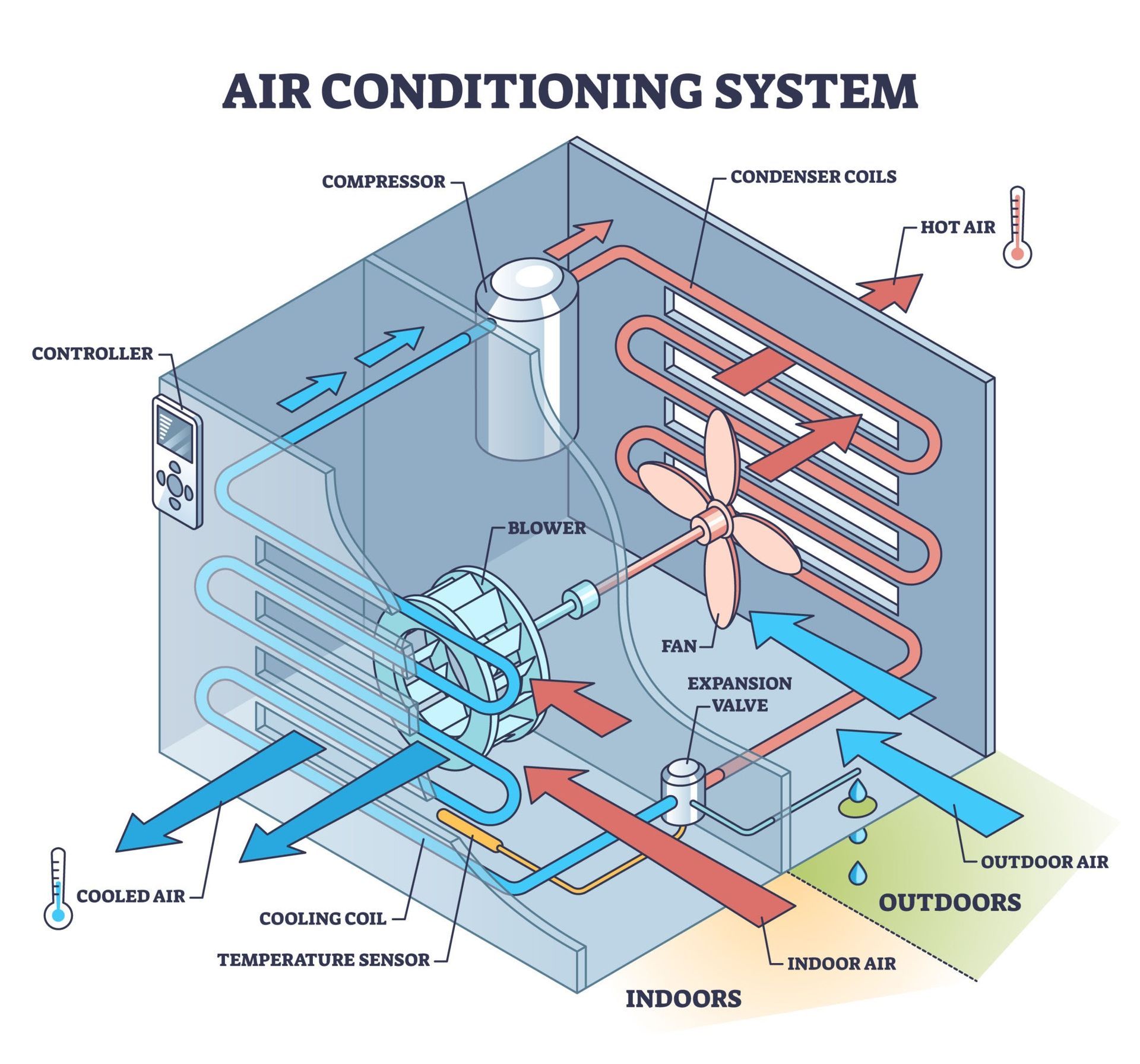
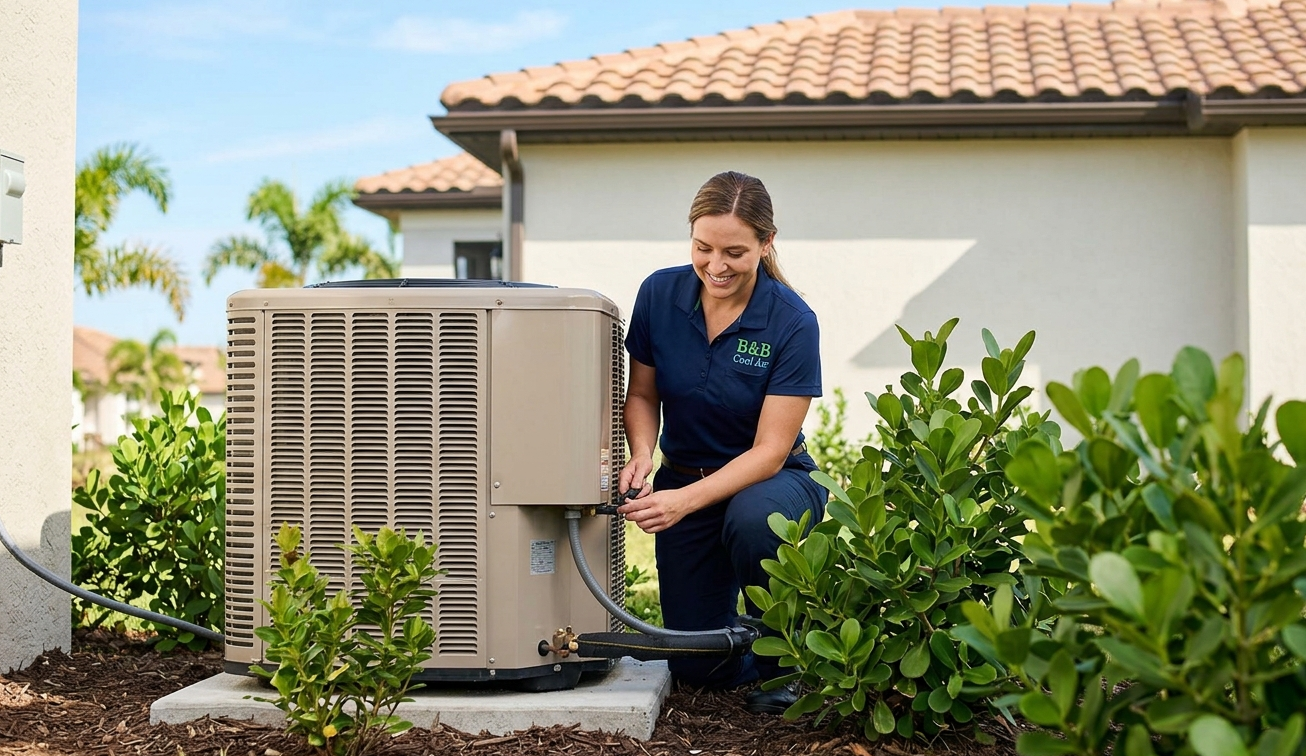
Technicians begin by checking refrigerant charge to ensure your system cools effectively without wasting energy. Low refrigerant signals a leak that must be repaired to prevent compressor damage. Next, they clean evaporator and condenser coils, removing dust and debris that reduce efficiency and force your equipment to work harder than necessary.

Drain line clearing prevents clogs that cause water damage and indoor humidity problems. Electrical connection testing identifies loose wires or worn contacts that could create safety hazards or equipment malfunctions. Airflow assessment ensures balanced distribution across all rooms, eliminating hot spots and improving overall comfort. Filter replacement or cleaning is included to maintain indoor air quality and system performance.

If you need reliable air conditioning installation services in Bonita Springs , the same team that performs maintenance can guide you through equipment upgrades when repair costs exceed the value of continued service.

When Do Filters and Components Require Attention?

Filters require attention every one to three months depending on household factors like pets, occupancy, and outdoor air quality near the coast.

Homes with multiple pets or residents benefit from monthly filter changes because pet dander and increased activity introduce more particles into the air. Standard households without pets can extend replacement intervals to every two or three months. Coastal locations face additional challenges from salt-laden air that accelerates corrosion and clogs filters faster than inland areas experience.

Blower motors and fan belts need inspection during each seasonal tune-up. Bearings require lubrication to prevent friction and overheating. Capacitors store electrical energy that starts motors and keeps them running smoothly; these components weaken over time and should be tested regularly. Thermostat calibration ensures accurate temperature readings and prevents short cycling that wastes energy.

Ductwork inspection identifies leaks or disconnected sections that allow conditioned air to escape into attics or crawl spaces. Sealing these gaps improves efficiency and reduces monthly operating costs.

How Does Coastal Air Quality Affect Your System in Bonita Springs?

Coastal air quality in Bonita Springs introduces salt, sand, and moisture that corrode metal components and clog filters faster than typical inland conditions.

Salt air accelerates rust formation on outdoor condenser units, shortening equipment lifespan if protective coatings wear thin. Routine washing of exterior coils removes salt buildup and preserves metal surfaces. Sand particles carried by Gulf breezes infiltrate outdoor units and scratch fan blades, reducing airflow and creating imbalance that strains motors.

High humidity levels common in coastal Florida encourage mold growth inside ductwork and on evaporator coils. Seasonal maintenance includes antimicrobial treatments that inhibit mold and improve indoor air quality. Drain lines require more frequent clearing in humid climates to prevent standing water that attracts pests and causes unpleasant odors.

Homes near saltwater benefit from corrosion-resistant coatings applied during maintenance visits. These protective layers extend the functional life of outdoor components exposed to harsh coastal elements year-round. For comprehensive care, consider scheduling air conditioning repair services in Bonita Springs at the first sign of unusual sounds or reduced cooling performance.

Regular air conditioning maintenance protects your investment and ensures comfort during the demanding summer months. Scheduled service addresses wear before it leads to breakdowns and keeps your system operating efficiently despite coastal environmental challenges.

Book your seasonal tune-up by calling 239-212-0051 and let trained technicians extend the life of your cooling equipment while maintaining peak performance throughout the year.

Recent Posts

By Corey Creekmore March 6, 2026
Struggling with your AC every afternoon in Lehigh Acres? You're not alone. Discover why our local architecture and unique humidity are sabotaging your comfort.
By Corey Creekmore February 25, 2026
Florida, known for its sunshine and beautiful beaches, isn't always immune to air quality challenges. While generally good, certain factors can contribute to poor air days, impacting residents' health and well-being. But fear not! There are proactive steps you can take to combat air quality issues and breathe easier in the Sunshine State. Understanding Florida's Air Quality Landscape Florida's air quality can be influenced by several factors: Pollen: With abundant flora, pollen counts can soar, especially during spring and fall, triggering allergies and respiratory issues. Ozone: Ground-level ozone, a harmful air pollutant, can form on hot, sunny days when pollutants from vehicles and industrial sources react. Wildfires: While less frequent than in other states, wildfires can occur, releasing smoke and particulate matter that significantly degrade air quality. Saharan Dust: Occasionally, plumes of Saharan dust can travel across the Atlantic, reaching Florida and contributing to hazy skies and increased particulate matter. Practical Steps to Protect Yourself Here are some actionable tips to mitigate the effects of poor air quality: Stay Informed with Air Quality Alerts: Keep an eye on local air quality forecasts and alerts from organizations like the EPA (Environmental Protection Agency) or your local health department. Websites and apps often provide real-time data on air quality index (AQI) levels. Limit Outdoor Activity on High Pollution Days: When air quality is poor, especially for sensitive groups (children, the elderly, and those with respiratory conditions), it's best to reduce prolonged or strenuous outdoor activities. If you must be outside, consider doing so during off-peak hours when pollution levels might be lower. Improve Indoor Air Quality: Air Purifiers: Invest in a good quality air purifier with a HEPA filter to remove particulate matter, allergens, and other pollutants from your home. Keep Windows Closed: On high pollution days, keep windows and doors shut to prevent outdoor pollutants from entering your home. Regular Cleaning: Dust and vacuum regularly to minimize indoor allergens and dust. Avoid Indoor Pollutants: Limit the use of aerosol sprays, scented candles, and harsh cleaning chemicals, which can contribute to indoor air pollution. Wear a Mask When Necessary: If you're particularly sensitive or need to be outdoors on a day with very poor air quality (e.g., during a wildfire event), consider wearing an N95 mask. These masks are designed to filter out fine particulate matter. Maintain Your Vehicle: Regularly maintaining your car helps ensure it runs efficiently and produces fewer emissions, contributing to cleaner air overall. Support Clean Air Initiatives: Advocate for policies that promote clean energy, reduce industrial emissions, and encourage public transportation. Supporting local environmental groups can also make a difference. Florida's Efforts Towards Cleaner Air Florida actively monitors and manages air quality through various state and local programs. The Department of Environmental Protection (FDEP) continuously tracks air pollutants and implements strategies to reduce emissions, ensuring that the air remains clean for residents and visitors alike. Conclusion While Florida can experience periods of compromised air quality , being informed and taking proactive measures can significantly reduce your exposure and protect your health. By staying vigilant and implementing these tips, you can continue to enjoy the beautiful environment Florida has to offer, breathing easy every step of the way.
By Corey Creekmore February 19, 2026
1. Weak Airflow One of the most immediate signs of a problem is weak or inconsistent airflow coming from your vents. This could be due to a clogged air filter, issues with the blower motor, or even leaky ductwork. Reduced airflow means your heat pump is struggling to distribute conditioned air throughout your home, leading to uneven temperatures and increased energy consumption. 2. Strange Noises Your heat pump should operate relatively quietly. If you start hearing unusual noises like grinding, squealing, rattling, or hissing, it's a clear indicator something is amiss. Grinding noises often point to motor bearing issues, squealing could be a worn belt, and hissing might signify a refrigerant leak. Don't ignore these auditory warnings! 3. Increased Energy Bills Have your energy bills suddenly skyrocketed without a corresponding increase in usage? This is a common sign that your heat pump is working harder than it should to maintain your desired temperature. Inefficiency can stem from various problems, including low refrigerant levels, a dirty coil, or a malfunctioning thermostat. 4. Uneven Heating or Cooling If some rooms in your home are significantly warmer or cooler than others, your heat pump might not be distributing conditioned air effectively. This could be due to issues with zoning, ductwork problems, or even a faulty compressor struggling to produce consistent temperatures. 5. Frequent Cycling Your heat pump should cycle on and off in predictable intervals. If it's turning on and off much more frequently than usual (short-cycling), it could be a sign of an oversized unit, a dirty air filter, or low refrigerant. Short-cycling not only wears down components faster but also reduces efficiency. 6. Icing on the Outdoor Unit While some frost on the outdoor unit during cold weather is normal, a thick layer of ice building up is not. This often indicates a problem with the defrost cycle, low refrigerant, or restricted airflow. Icing can severely hinder your heat pump's ability to extract heat from the outside air, leading to a loss of heating capacity. 7. Puddles or Leaks Around the Indoor Unit Any water pooling around your indoor unit is a cause for concern. This could be due to a clogged condensate drain line, which prevents the water extracted from the air from draining properly. If left unaddressed, this can lead to water damage and mold growth. 8. Blowing Cold Air in Heating Mode (or Warm Air in Cooling Mode) This is perhaps one of the most obvious signs. If you set your heat pump to heat, but it's blowing cold air, or vice versa, something is fundamentally wrong. This could point to a problem with the reversing valve, a refrigerant leak, or a faulty compressor. 9. Foul Odors If you notice strange smells emanating from your vents, such as a burning odor, a musty smell, or even a rotten egg scent, it's important to investigate. A burning smell could indicate an electrical issue, while a musty odor might signal mold growth in your ductwork or evaporator coil. 10. Old Age  While not a direct "sign" of a problem, an aging heat pump (typically over 10-15 years old) is more prone to breakdowns and inefficiencies. Even if it's still running, an older unit might be costing you more in energy bills than a newer, more efficient model. Consider a professional inspection to assess its remaining lifespan and efficiency. Don't Delay, Call a Professional! If you notice any of these 10 signs, it's crucial to contact a qualified HVAC technician promptly. Attempting DIY repairs on a complex heat pump system can be dangerous and often leads to further damage. A professional can accurately diagnose the issue, perform necessary repairs, and help extend the life of your heat pump, ensuring your home remains comfortable and your energy bills stay manageable. Regular maintenance is also key to preventing many of these issues in the first place!
By B & B Cool Air February 18, 2026
Professional ductwork services in Estero, FL improve air quality and system efficiency. Discover expert solutions for cleaner, healthier indoor air.
By B & B Cool Air February 17, 2026
Duct cleaning in Bonita Springs, FL improves indoor air quality and system efficiency by removing dust, debris, and contaminants from your home.
indoor air quality
By Corey Creekmore February 12, 2026
Improve your health and home comfort with our guide on 10 ways to improve indoor air quality. From plants to HVAC tips, breathe easier with these expert steps.
heater
By Corey Creekmore February 5, 2026
Struggling with a heater that’s running but not keeping you warm? Learn practical steps to fix weak heat, improve airflow, and know when to call an HVAC pro.
heater blowing cold air
By Corey Creekmore January 28, 2026
Heater blowing cold air? Learn the most common causes, simple DIY checks, and when to call a professional to fix and restore safe, reliable home heating.
heater
By Corey Creekmore January 21, 2026
Make your heater blow hotter with 5 expert tips to boost airflow, fix thermostat issues, improve ignition, and restore powerful, efficient home heating.
By B & B Cool Air January 18, 2026
HVAC maintenance in Cape Coral, FL prevents costly breakdowns and extends system life through regular professional service and inspections.
Show More